
Why You Struggle at the Casino: The Psychology Behind Winning Tactics
Posted by at September 19th, 2026
Understanding Cognitive Biases in Gambling
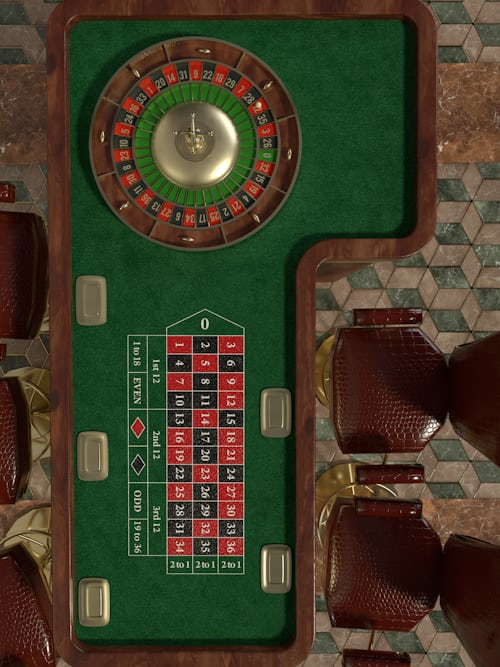
Many players find themselves consistently struggling at the casino not due to a lack of luck, but rather because of ingrained psychological biases that influence their decision-making. One of the most prevalent is the gambler’s fallacy, the mistaken belief that if something happens more frequently than normal during a given period, it will happen less frequently in the future, or that past independent events influence future ones. For instance, believing that a roulette wheel is “due” for a black number after a string of reds is a classic example of this flawed thinking. This bias can lead to increasingly risky bets as players try to “correct” perceived imbalances. For those in Shropshire seeking entertainment that may involve elements of chance or strategic engagement, understanding the psychology of decision-making is as important as enjoying the experience itself, and for local businesses like https://kaeshropshire.co.uk/, promoting responsible engagement is key.
Another significant bias is the illusion of control, where gamblers overestimate their ability to influence random outcomes through their actions or superstitions. This might involve specific rituals before placing a bet, believing that these actions somehow improve their chances of winning. Similarly, the availability heuristic can play a role, where players place too much weight on recent or memorable wins (their own or others’), forgetting the vast majority of losses that occur. This skewed perception of reality can fuel a false sense of confidence and lead to poor financial management.
The Impact of Emotional Decision-Making
The casino environment is designed to be stimulating, often employing bright lights, loud sounds, and a fast pace to create an exciting atmosphere. While this can be exhilarating, it also heightens emotional responses, which can be detrimental to rational gambling. Chasing losses, for example, is a common emotional response where a player increases their bet size or frequency after a loss in an attempt to recoup their money, often leading to further financial distress.
Conversely, the euphoria of winning can also be a pitfall. A series of wins can lead to overconfidence and a disregard for risk management, prompting players to wager more than they can afford to lose. The thrill of winning can create a temporary high that overshadows the logical assessment of probabilities. This emotional rollercoaster is precisely what casinos aim to facilitate, as it encourages longer playing times and potentially larger expenditures. Recognizing these emotional triggers is a crucial step in developing a more disciplined approach to gambling.
The Role of Reinforcement and Reward Systems
Casinos are masters at utilizing principles of operant conditioning to keep players engaged. The intermittent reinforcement schedule, where rewards (wins) are delivered unpredictably, is highly effective in maintaining behavior. Unlike a consistent reward system, this unpredictable nature makes the behavior more resistant to extinction. A small win that occurs sporadically can be more reinforcing than a guaranteed, but smaller, payout. This unpredictability keeps players hopeful and willing to continue playing, even after numerous losses.
Furthermore, the near-miss phenomenon, where a player comes very close to winning, can be a powerful motivator. Although technically a loss, the sensation of being “almost there” can trigger similar neurological responses to winning, encouraging continued play. This psychological trick makes it harder for individuals to disengage, as they feel that a win is imminent. The structure of many casino games is built around these rewarding experiences, often downplaying the consistent losses that inevitably occur.
Developing Strategies for Better Decision-Making
Overcoming the psychological hurdles in gambling requires a conscious effort to implement structured strategies. Firstly, setting a strict budget before entering a casino and sticking to it is paramount. This involves deciding on a maximum amount of money you are willing to lose and a target amount to win before walking away. Once either limit is reached, it’s crucial to cease playing immediately, regardless of how enticing the games may seem. This disciplined approach helps to prevent emotional decision-making and protects your bankroll.
Secondly, understanding the odds of the games you are playing is vital. While no strategy can guarantee a win in games of chance, knowledge of probabilities can inform better betting decisions and help avoid common pitfalls like the gambler’s fallacy. Choosing games with a lower house edge can also improve your long-term prospects, even if the outcomes remain largely random. Focusing on responsible play, which includes taking breaks and avoiding alcohol, can further enhance your ability to make rational choices at the gaming table.
Kae Shropshire: Navigating Entertainment Responsibly
For those in Shropshire seeking entertainment that may involve elements of chance or strategic engagement, understanding the psychology of decision-making is as important as enjoying the experience itself. While Kae Shropshire is a local entity, the principles of responsible engagement apply broadly. Whether the entertainment offered directly involves gambling or simply presents opportunities for strategic interaction, recognizing how cognitive biases and emotional responses can influence choices is key to a positive and controlled experience.
Engaging with any form of entertainment that involves financial risk, even indirectly, requires a mindful approach. By being aware of the psychological factors that can affect judgment, individuals can make more informed decisions and ensure their leisure activities remain enjoyable and within their comfort zones. Kae Shropshire, as a business operating within the local community, can serve as a reminder to approach all forms of entertainment, particularly those with a chance element, with a clear head and a pre-defined plan.

Category: casino
Notice: compact(): Undefined variable: limits in /home3/rmchoice/public_html/bookwritingmagic.com/wp-includes/class-wp-comment-query.php on line 863
Notice: compact(): Undefined variable: groupby in /home3/rmchoice/public_html/bookwritingmagic.com/wp-includes/class-wp-comment-query.php on line 863