
The evolution of gambling A journey through its historical significance
The evolution of gambling A journey through its historical significance
The Origins of Gambling
The practice of gambling dates back thousands of years, with evidence of games of chance found in ancient civilizations such as Mesopotamia and China. Archaeological findings suggest that dice games were played as early as 3000 BC. In these early societies, gambling was often linked to religious or ceremonial purposes, where outcomes were believed to be influenced by divine forces. This intertwining of luck and spirituality established a foundation for gambling that would evolve over the centuries, particularly as platforms like slotravecasino.co.nz have gained popularity among modern players.

The first known gambling house, or casino, is believed to have emerged in Venice, Italy, during the 16th century. This marked a significant shift from informal gambling games to organized venues, where individuals could congregate to place bets on various games. The rise of casinos not only contributed to the spread of gambling culture but also introduced regulations and standards, shaping how gambling was perceived socially and legally.
As gambling spread throughout Europe, it took on new forms and variations. Different cultures adapted the concept, creating unique games that reflected their values and social structures. The emergence of card games in the 15th century, for instance, showcased a new dimension where skill became a factor alongside chance. This evolution emphasized the duality of luck and skill, setting the stage for the complex gambling landscape we see today.
Gambling in the Modern Era
The 19th century saw a significant transformation in gambling practices, particularly with the establishment of gambling laws. The introduction of the lottery in the early 1700s, primarily as a way to raise funds for public projects, further legitimized gambling activities. Additionally, the development of horse racing as a popular betting sport created a thriving environment where skillful analysis of horses and jockeys became essential for bettors looking to increase their odds of winning.
The advent of the 20th century brought about the rise of Las Vegas as the gambling capital of the world. This city epitomized the notion of gambling as entertainment, drawing millions of visitors eager to partake in the thrill of chance. The integration of high-stakes poker and slot machines into the casino scene made gambling accessible to a broader audience, highlighting a shift toward leisure rather than just a means of income. Gambling became intertwined with American culture, leading to a proliferation of casinos across the nation.
Technological advancements in the latter part of the 20th century transformed gambling once more, with the introduction of online gaming. This new frontier provided players with the convenience of betting from the comfort of their homes. The online gambling industry experienced exponential growth, leading to debates surrounding regulation, fairness, and responsible gaming. This shift emphasized the continuing relevance of gambling in contemporary society, showcasing its adaptability in the face of changing consumer behaviors.
The Role of Luck Versus Skill in Gambling
The dynamic between luck and skill has been a central theme in the evolution of gambling. Many traditional games, such as roulette and slots, primarily hinge on chance, where outcomes are unpredictable and entirely reliant on luck. This element of uncertainty is a significant draw for many players, as it evokes excitement and the potential for unexpected wins. The thrill of placing a bet with no guarantee of a return fuels the passion for gambling that has persisted through the ages.
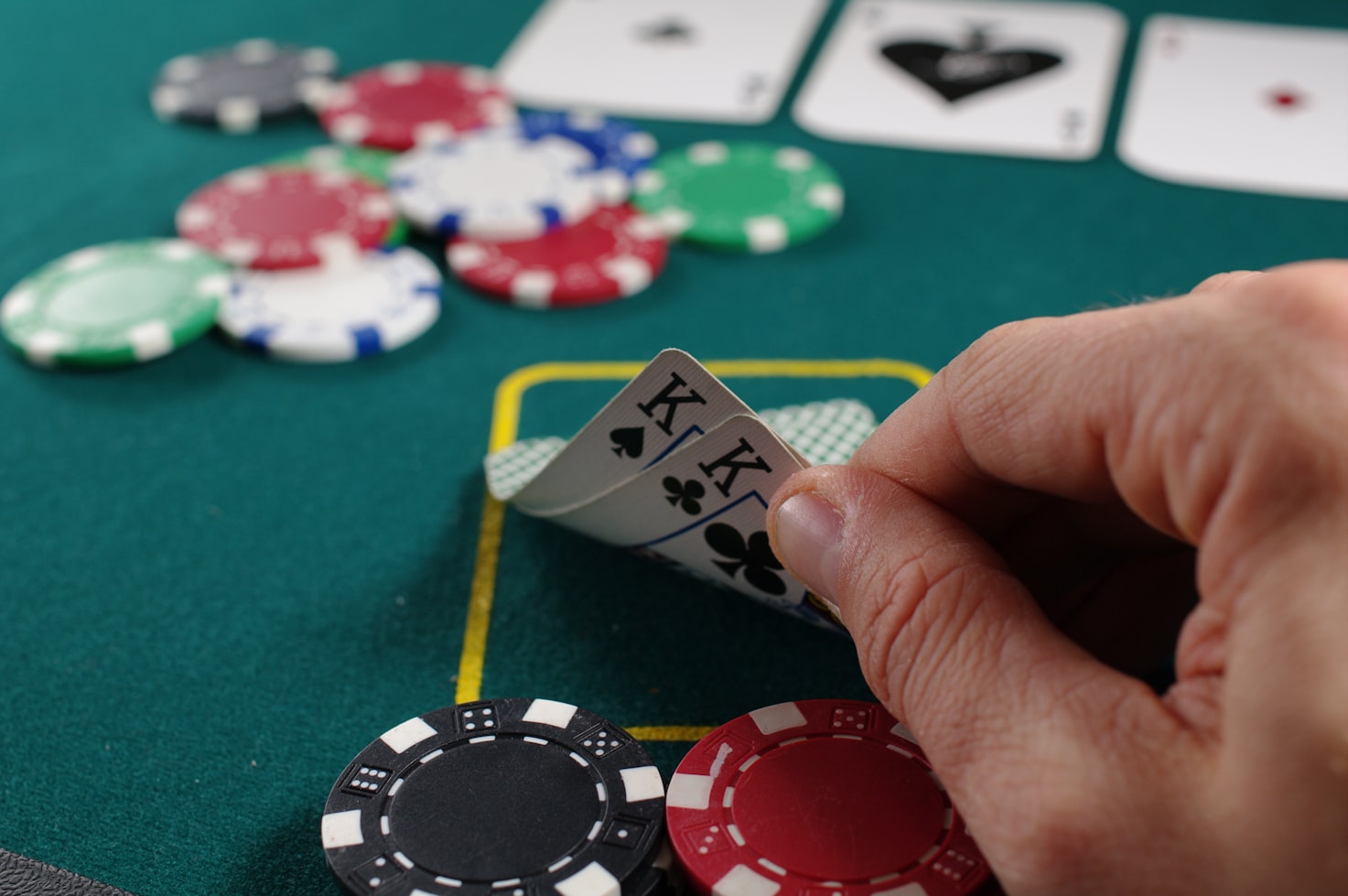
Conversely, skill-based games like poker and blackjack require a different approach. Here, players must employ strategies, psychological insight, and analytical skills to increase their chances of winning. The competition against other players often elevates the gaming experience, as individuals can influence outcomes through their decisions. The blend of luck and skill creates a rich tapestry within the gambling world, appealing to diverse audiences and allowing for various forms of engagement.
This ongoing tension between luck and skill continues to shape the future of gambling. As new games emerge and technologies evolve, the debate around the balance of chance versus strategy remains pertinent. Players are increasingly drawn to games that offer opportunities for skillful play while still retaining elements of luck, making for an exhilarating experience. Understanding this relationship is crucial for both players and operators in navigating the complex landscape of modern gambling.
Legal and Social Implications of Gambling
The legalization of gambling in many parts of the world has brought about significant social and economic changes. Governments have recognized the potential revenue from taxation and tourism associated with casinos and betting establishments. This has led to a more structured environment where regulations are in place to protect both operators and players. Legalized gambling can also contribute positively to local economies by creating jobs and funding community projects.
However, the social implications of gambling are complex. While many engage in gambling responsibly, there is a risk of addiction and negative consequences for some individuals. The societal perception of gambling has evolved, with increasing awareness of responsible gaming practices. Education on the potential risks associated with gambling is now more prevalent, aimed at fostering a healthier relationship with the activity.
As the landscape continues to change, ongoing discussions about the ethics and responsibilities of gambling operators are crucial. Stakeholders must balance profit motives with the well-being of the community and individual players. This evolving dialogue highlights the significance of gambling in society, illustrating both its potential benefits and challenges in the modern world.
Join the Excitement at Slotrave Casino
As the gambling landscape continues to evolve, platforms like Slotrave Casino are at the forefront of this exciting journey. Launched in March 2024, Slotrave offers an extensive selection of high-quality games, including slots and live dealer experiences. With a user-friendly interface and rapid payment methods, it caters to the modern player’s needs, ensuring a seamless gaming experience.
New users can take advantage of generous welcome bonuses, including up to €2,500 and 150 free spins, making it an enticing option for both seasoned gamblers and newcomers. The platform prioritizes security and customer satisfaction, with 24/7 support available to assist players whenever needed. Slotrave Casino embodies the thrilling spirit of gambling while promoting responsible gaming practices.
Whether you’re drawn to the excitement of chance or the strategies of skill, Slotrave Casino invites you to explore a world filled with potential rewards. The evolution of gambling has led to a rich variety of experiences, and Slotrave is dedicated to providing an environment that celebrates this vibrant history while embracing the future of gaming.

Category: Public
Notice: compact(): Undefined variable: limits in /home3/rmchoice/public_html/bookwritingmagic.com/wp-includes/class-wp-comment-query.php on line 863
Notice: compact(): Undefined variable: groupby in /home3/rmchoice/public_html/bookwritingmagic.com/wp-includes/class-wp-comment-query.php on line 863
Leave a Reply
Deprecated: Function get_magic_quotes_gpc() is deprecated in /home3/rmchoice/public_html/bookwritingmagic.com/wp-includes/formatting.php on line 4348
Deprecated: Function get_magic_quotes_gpc() is deprecated in /home3/rmchoice/public_html/bookwritingmagic.com/wp-includes/formatting.php on line 4348
Deprecated: Function get_magic_quotes_gpc() is deprecated in /home3/rmchoice/public_html/bookwritingmagic.com/wp-includes/formatting.php on line 4348